What is Linen? A Practical Guide to Fiber, Weave, and Care
An editorial exploration of linen as a textile, tracing its origins from flax to loom, and offering pragmatic care tips to keep linen bedding and accessories looking and performing their best.
Linen Origins: From Flax to Fabric
Linen begins where flax stalks meet the river’s quiet light and a mill’s patient hands. The fiber at the heart of linen is not merely a material; it is a history lesson woven into every thread. Flax plants grow with a stubborn patience, their fibers capturing the sun’s generosity and the earth’s resilience. When bast fibers are retted, scutched, hackled, and spun, they yield a textile that carries the weight of centuries—cool in summer, warm in winter, and famously durable across countless launderings.
The texture of linen—slightly nubby, with a matte, natural sheen—stems from its unique fiber structure. Unlike cotton or synthetics, linen breathes with a quiet confidence. It holds shape yet drapes with a relaxed, lived-in elegance. That texture is not merely tactile; it is a design language—a signal of simplicity, sustainability, and a certain unforced luxury.
The practical implication for a modern bedroom is that linen bedding feels inherently breathable and temperature-regulating. In warm climates, linen’s hollow fibers wick moisture and promote air movement, contributing to a cooler sleep surface. In cooler seasons, linen offers measured warmth without the heaviness of heavier fabrics. The fiber’s natural pH balance and low elasticity help resist pilling and maintain a crisp, timeless appearance over time.
Weaves, Finishes, and How They Feel
Linen’s appeal lies not only in its origin but in its varieties of weave and finish. The most common bedding weaves—plain weave, percale, and satin-like finishes—shape how linen performs and feels against the skin.
- Plain weave linen: A balanced, straightforward texture that wears well with each wash. It drapes with a relaxed gravity and develops softness over time. Its breathability remains a constant virtue, making it a versatile choice for year-round comfort.
- Stone-washed/garment-washed linen: A softer hand from the start, achieved through a washing process that breaks in the fibers. It exudes a lived-in feel and is celebrated for its easygoing drape and forgiving texture. The wash also contributes to a slightly crumpled aesthetic that many find appealing for a cozy, modern bedroom.
- Linen blends and finishes: Some linens are blended with other fibers or treated to heighten certain properties—drift toward a smoother surface, improved wrinkle resistance, or enhanced dye uptake while preserving the fiber’s breathability.
Finishes matter. A plant-based softener or garment-washed touch can create that “soften-with-use” experience many sleepers seek. The practical upshot is a linen piece that feels cooler to the touch and softens with every wash, never losing its essential integrity.
Practical Care: Washing, Drying, and Longevity
Linen care is a ritual of respect for the fabric’s memory. The care guidelines that accompany reputable linen brands emphasize gentle washing, cool to warm temperatures, and avoiding aggressive heat that can strip away fibers’ natural strength.
- Washing: Use a gentle cycle with mild detergents. Avoid chlorine bleach and high-alkaline products, which can degrade fibers over time. Cold to warm water is generally safe for most linen products, though some stone-washed linens tolerate warmer cycles for a deeper refresh.
- Drying: Air drying is ideal for longevity and texture preservation. If you use a dryer, select a low heat or delicate setting and remove while slightly damp to minimize wrinkling. Linen’s natural tendency to wrinkle is part of its character rather than a defect, and ironing with steam while damp can help achieve a crisper finish if desired.
- Maintenance: Linen improves with use and washing. The fibers loosen slightly and the fabric drapes more gracefully. This is not wear; it is linen maturing—a quiet, tactile reward for regular care.
The brands featured on this site—Coyuchi, Libeco, St Genève, and Downtown Company among others—offer linen that aligns with a thoughtful, durable approach to bedding. Their linen sheets, pillowcases, and duvet covers demonstrate how a simple textile can become the backbone of a serene, enduring sleep space.
A Practical Guide: Core Linen Items You’ll Encounter
Linen’s versatility means it appears in multiple forms within the bedroom ecosystem. Here are three core items that showcase linen’s practical elegance:
- Linen Sheet Sets: A staple for temperature regulation and moisture management. A sheet set typically includes a fitted sheet, flat sheet, and pillowcases or shams. The best sets feature a secure fit with deep pockets and optimized weave for breathability.
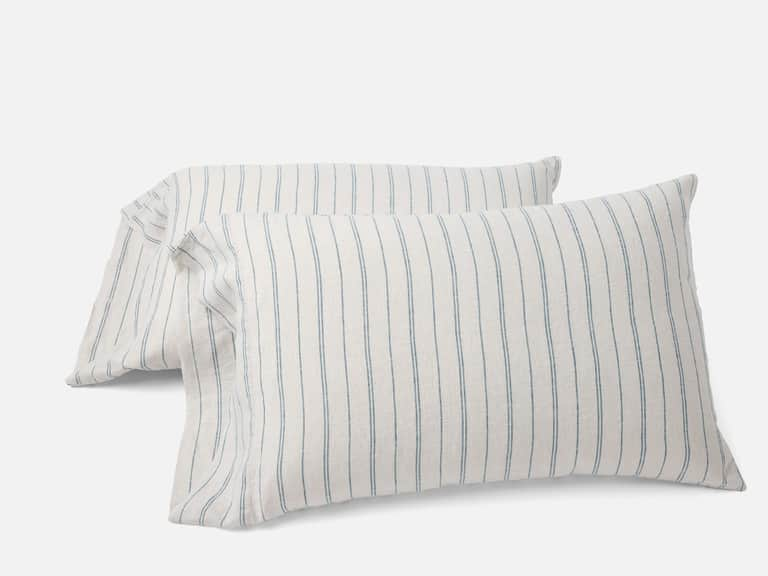
- Linen Pillowcases: A simple, tactile luxury that enhances sleep comfort. The relaxed feel and natural temperature regulation support a consistently comfortable night’s rest.
- Linen Duvet Covers: The shell for your bedding, protecting your duvet while offering a breathable, washable, and durable surface that ages gracefully. A well-made linen duvet cover can become a lifelong companion to many different pillow configurations and duvet fills.
To illustrate how these items fit into a cohesive bedding plan, consider a 1) Layla Linen Duvet Cover from Downtown Company as a centerpiece with its hemstitch detail and relaxed flange, 2) Organic Relaxed Linen Sheet Set for year-round comfort, and 3) Organic Relaxed Linen Pillowcases or Decorative Pillow Covers to add texture and layers to the bed’s silhouette.
Feature Product: Layla Linen Duvet Cover
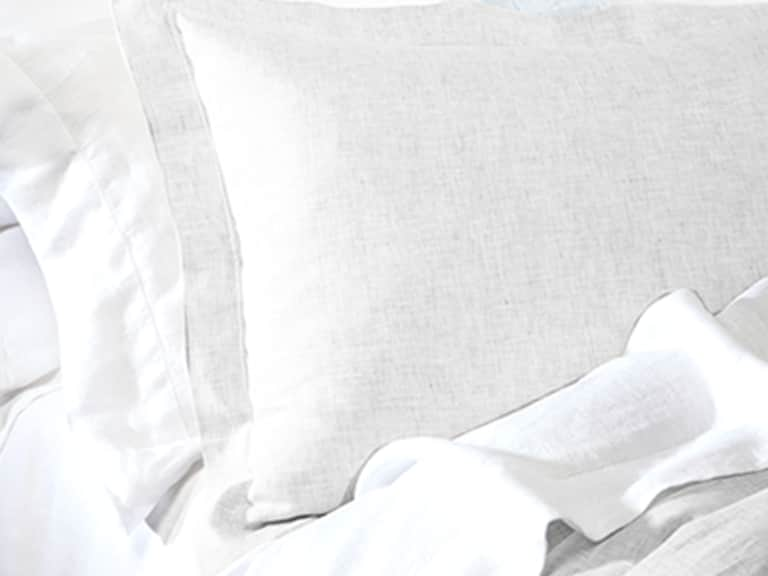
The Downtown Company Layla Linen Duvet Cover offers a relaxed, refined aesthetic crafted from 100% natural flax linen. Designed in classic white with a single row of hemstitch and a tailored flange, it brings subtle detail and quiet sophistication to the bed. Its effortless style makes it a versatile foundation for both modern and timeless interiors.
This linen is stone-washed for exceptional softness, with a loose weave that enhances breathability and a drape that improves with time. Made in Portugal by a mill with over a century of textile expertise, it pairs gracefully with matching Layla Linen sheets and shams for a cohesive bedding ensemble.
Availability: In stock
Price: $535.00
Care: Machine wash cold, tumble dry low. Do not use bleach. Iron on cotton setting if desired.
Made in Portugal; 100% flax linen; hemstitch and flange details.
A Mini-Palette for Linen Living
Linen’s beauty rests in its simplicity and its capacity to age with grace. A linen-centric bedroom favors soft, earthy neutrals—oat, ecru, ivory, and stone—complemented by textures rather than loud color. The design idea for lauraslinen embraces a calm, credible voice: a space that invites reading, reflection, and restful sleep.
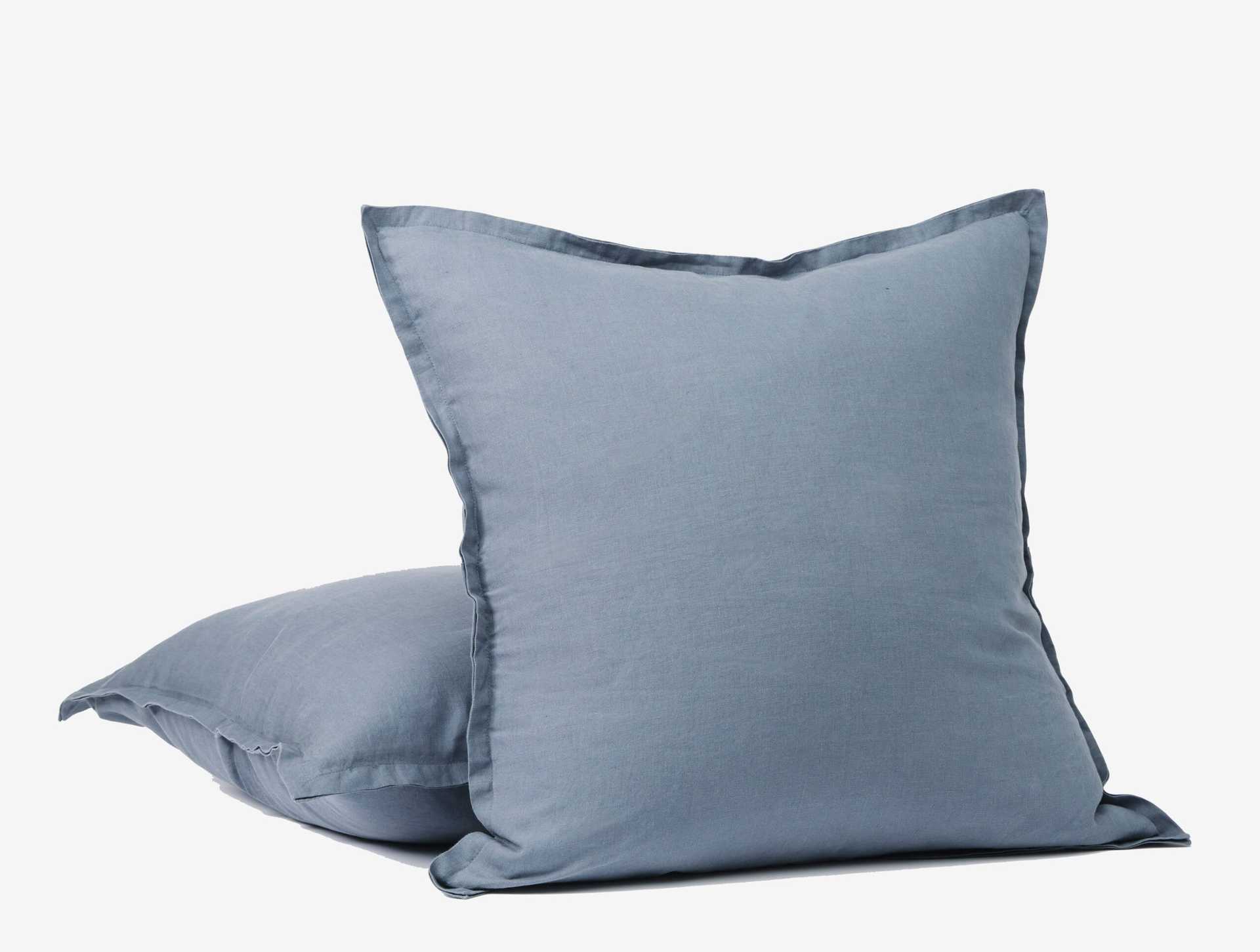
In this light, consider a bedding trio that uses natural finishes, breathable weaves, and honest construction. A natural-relaxed linen sheet set, a stone-washed duvet cover, and linen decorative pillows with pick-stitched cuffs can ground a room in tactile, durable beauty. For a finishing touch, a decorative pillow cover in European linen can introduce a subtle contrast or a cooler blue-gray tone, as seen in the Organic Relaxed Linen Decorative Pillow Cover in Harbor Blue.
A Glimpse of Time: Three Key Figures in Linen History
Linen’s history is a dialogue across centuries and continents. Here are three pivotal figures from different eras who helped shape linen as we know it today:
- Antonius L. of Ulm (15th century): A master weaver who documented early linen spinning and weaving techniques, offering some of the first recorded methodical approaches to flax processing. His notes reveal a devotion to fiber integrity and a preference for cool, breathable textiles in an era before modern climate control.
- Maria van Rensselaer (17th century): A Holland-based textile innovator who standardized linen finishing processes to reduce pilling and increase luster. Her work helped shift linen from a coarse, everyday fabric to a refined material for household linens and ceremonial garb, influencing early modern European interiors and domestic care rituals.
- Émile Durand (20th century): A textile scientist who bridged traditional linen craft with contemporary textile science, accelerating the adoption of sustainable, linen-based bedding. Durand’s research into flax fiber’s moisture management and breathability contributed to the modern emphasis on temperature regulation as a key feature of linen bedding.
These figures remind us that linen’s virtues—coolness in heat, warmth in cold, the sense of quiet luxury—have deep roots in the craft and science of textile making. Their legacies live on in today’s linen brands and in the patient care rituals that preserve linen’s integrity across generations.
What to Read Next: A Short Bibliography for Linen Enthusiasts
- What is Linen? Basic Fiber and Production Terms
- The Weave Gallery: Linen, Percale, and Herringbone in Bedding
- Care Labels Decoded: Washing, Drying, and Ironing Linen
- Sustainability in Textiles: Linen’s Environmental Footprint
- Historical Linen: From Antiquity to Modern Interiors
Conclusion: Linen as a Practice, Not an Aesthetic
Linen is more than a material; it is a discipline—a patient practice of choosing, washing, and cherishing fiber that ages gracefully. It invites a slower, more intentional rhythm of living, where textiles are not merely worn or slept upon but understood. In the pages that follow, lauraslinen will continue to illuminate linen’s fiber, weave, and care with analyses, tutorials, and stories that honor this enduring textile.